
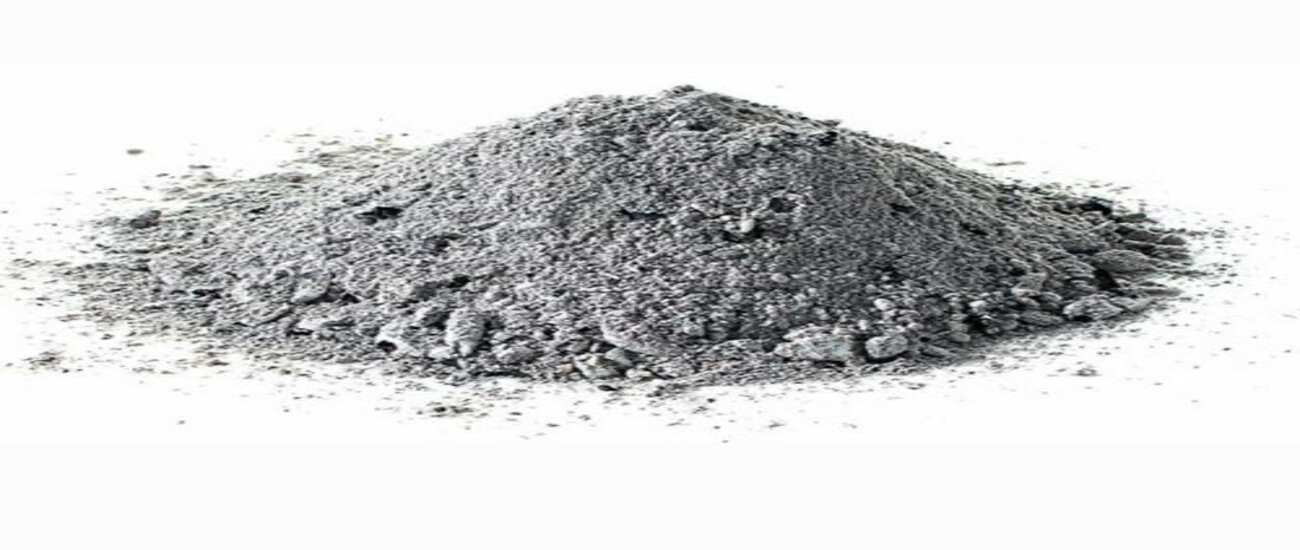
Pulverised FuelAsh / FlyAsh (PFA)
Fly Ash or Pulverised Fuel Ash (PFA) is a by- product resulting from the burning of pulverized coal in coal-fired power stations. A small percentage of the coal forms into fine glass spheres, the lighter of which are borne by the combustion process. It is then extracted from the flue gasses by electrostatic precipitators.
Properties & uses
Fly Ash is a pozzolanic material which will not hydrate with water directly but needs lime to hydrate. In concrete, Fly Ash reacts with the lime that arises from the cement hydration to form a stable calcium.
Fly Ash:
Compressive strength: 2,000 to 37,000 psi.The main factors responsible for strength of carbonate rocks are their interlocking grain fabric and their mineralogy. Strength of carbonate rocks generally increases over geologic time because of recrystallization and associated decreasing porosity. Consequently, geologically older carbonate rocks tend to be stronger than younger rocks.
Fly Ash is a supplementary cementitious material that delivers improved workability, later-age strength, and enhances the durability properties of concrete.
Areas of Application:
- For use with alkali-reactive aggregate
- Mass concrete sections
- Effluent treatment plants
- Marine environment
- Pumped concrete
- High quality finishes
- Sulfate-bearing environments
- Chloride-bearing environments
- Water retaining structures
- Self compacting concrete
- Ready-mix, concrete products & precast operations
- Wet sprayed concrete (shotcrete)
Characteristics:
- Appearance: Pale grey fine powder
- Relative Density: 2.12 – 2.30
- pH in water: 7 - 12
- Theoretical Surface Area (m²/kg): 200 - 700
- Loss on Ignition (LOI), %: 5.0 max
- SO3, %: 3.0 max
- Moisture Content, %: 3.0 max
- Fineness (Retained on 45μ), %: 5.0 – 25.0
- Sum of Oxides (Al + Si + Fe): 70% min
- Chlorides, %: 0.10 max